Four Years After Dobbs
North Carolina must no longer be the southeast's abortion destination

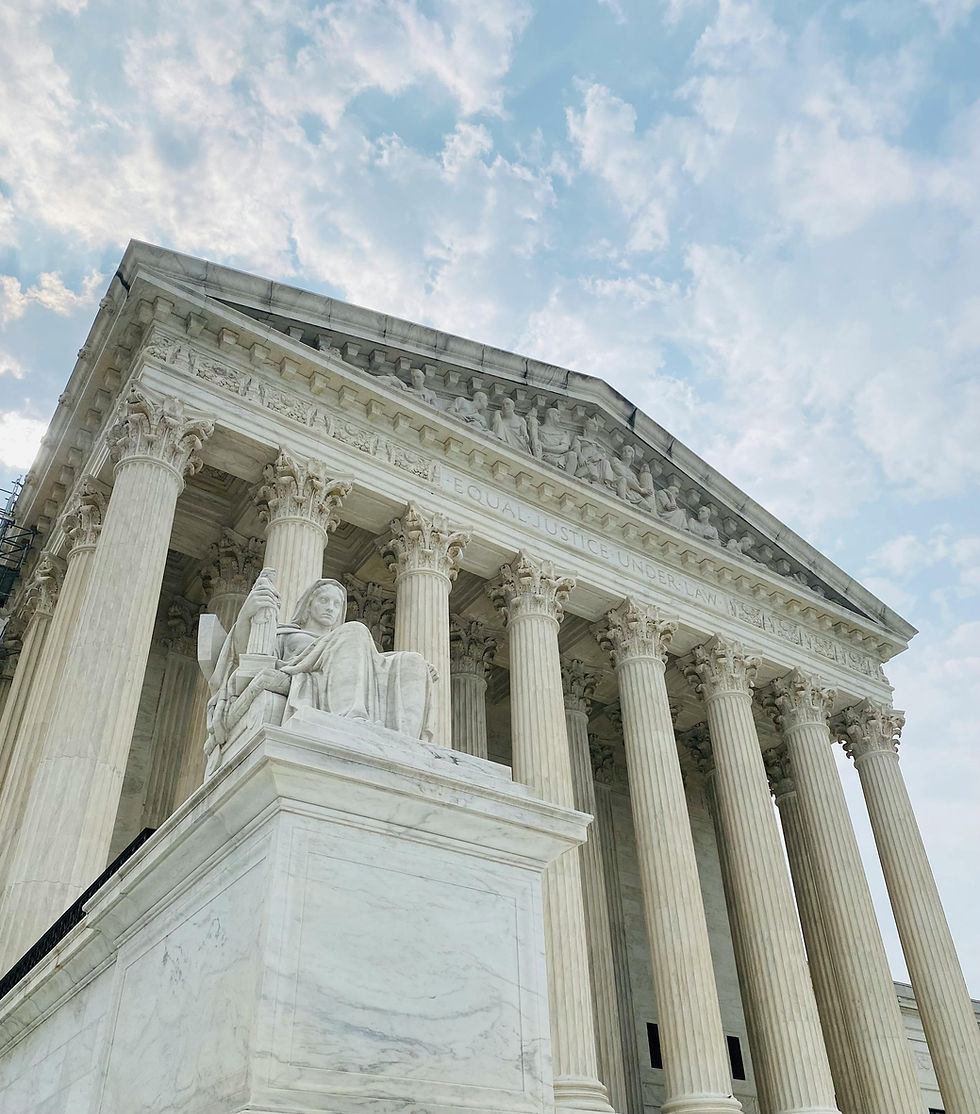
Four years after the U.S. Supreme Court’s decision in Dobbs v. Jackson Women’s Health Organization returned abortion policy to the people and their elected representatives, North Carolina Right to Life today marked the anniversary by celebrating Dobbs as a historic correction and calling on North Carolina to finish the work of protecting both mothers and unborn children.
“Dobbs broke Roe’s grip on American law. Now North Carolina must stop serving as the Southeast’s abortion backstop. Our state should be known for protecting mothers and children, not for absorbing abortion traffic from states that chose stronger protections.”
North Carolina’s own data show why that work is still urgently needed. In 2023, 42,954 abortions were performed in North Carolina, up from 40,037 in 2022, even though abortions to North Carolina residents fell from 28,855 to 27,146. The difference was a major surge in abortions to women from outside the state, which rose from 11,182 in 2022 to 15,808 in 2023. In other words, 36.8% of all abortions performed in North Carolina in 2023 were for nonresidents, making North Carolina a clear abortion destination for the Southeast.
The 2023 numbers also show who was most affected. Among North Carolina residents receiving abortions, women ages 20-24 accounted for 27.5%, women ages 25-29 accounted for 28.4%, and women ages 30-34 accounted for 20.7%. By race and ethnicity, 47.7% of resident abortions were reported among Black non-Hispanic women, 25.8% among White non-Hispanic women, and 16.5% among Hispanic women. State data further show that 66.6% of resident abortions occurred at 8 weeks or less, and 92.6% occurred at 12 weeks or less.
Procedure and county data reinforce the same conclusion. Medical abortions accounted for 68.9% of resident abortions in 2023.
Abortions were also concentrated in a small number of counties, led by Mecklenburg (19,251), Wake (6,757), Cumberland (3,710), Orange (3,269), and Guilford (3,012). That concentration in a handful of clinic counties, together with the large nonresident share, shows that North Carolina remained a major regional access point after Dobbs and after neighboring states tightened their laws. Reputable national reporting has continued to describe North Carolina as one of the states receiving large numbers of out-of-state abortion patients.
Dr. Bill Pincus, President of North Carolina Right to Life (NCRTL), said the 2023 data makes equally clear that much work remains. Even after Dobbs, North Carolina still reported that roughly 18.35% of resident pregnancies ended in abortion, and the state continued to function as a regional center for abortion access. NCRTL calls for stronger protections for unborn children, stronger support for women facing unplanned pregnancies, continued support of pregnancy resource centers and a renewed commitment to making North Carolina known for life-affirming care rather than abortion tourism.
NCRTL is the oldest prolife North Carolina-based nonprofit organization that works to protect unborn children, support women and families, educate the public on life issues, and advance policies that affirm the dignity of every human life.
*Statistics from the NC State Center for Health Statistics (SCHS) 2023 – latest year official statistics available.


Comments